SUN11 Practical Environmental Sustainability for Dermatologists
DESCRIPTION
The U.S. healthcare sector contributes 10% to national greenhouse gas and air pollution emissions and one-quarter of global healthcare-related CO2 production. Outpatient clinics account for 25% of healthcare energy usage with dermatology carrying the second highest plug-and-process load energy use among specialties. Additionally, dermatology produces large amounts of medical waste. Dermatologists have a unique opportunity to implement sustainable care delivery models to mitigate the effects of climate change and reduce our professional carbon footprint. This session will showcase innovative solutions to minimize procedural waste, reduce clinical energy usage, appropriately segregate biohazard waste, and decrease carbon emissions.
LEARNING OBJECTIVES
Recognize the contributions to climate change by dermatologic care delivery and identify key areas within one’s practice to reduce emissions from clinical and professional activities.
Outline the necessary steps to complete a waste audit for dermatological procedures and identify appropriate items for biohazardous waste segregation.
Develop practical and economical implementation strategies for waste reduction, green office practices, virtual learning and care delivery platforms that decrease the overall environmental impact of clinical practice.
SCHEDULE
12:30 PM
Sustainability Basics for Dermatologists
Eva R. Parker, MD, FAAD
12:50 PM
Waste Streams and Practical Reduction Tips
1:07 PM
Procedural Waste Audits
Paige W Wolstencroft, MD, MS, FAAD
1:25 PM
Q&A
SPEAKERS
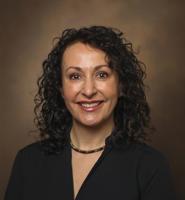
Eva R. Parker, MD, FAAD
Vanderbilt University Medical Center

Genevieve Silva, MD, MBA

Paige W Wolstencroft, MD, MS, FAAD
SPEAKER DISCLOSURES
Eva R. Parker, MD, FAAD
L'Oreal – Advisory Board(Honoraria), Speaker(Honoraria);
Genevieve Silva, MD, MBA
No financial relationships exist with ineligible companies.
Paige W Wolstencroft, MD, MS, FAAD
No financial relationships exist with ineligible companies.