U065 Allies and Bystanders
DESCRIPTION
Open admission to eligible categories, no tuition or ticket
This session will help audience members recognize the different forms of identity-based harassment and mistreatment and the impact of this harassment in the clinical environment. The session will introduce several communication strategies for responding to harassment and mistreatment primarily from patients and visitors. The important role of bystanders in monitoring and responding to harassment and mistreatment will be discussed. The session will be highly interactive with audience participation, videos and the opportunity for skills practice.
This activity has been approved by the American Board of Dermatology (ABD) for up to 10 CCP Component 2 Self-Assessment points. For more information about CCP, please visit the ABD website at www.abderm.org.
LEARNING OBJECTIVES
Define and recognize the various forms, prevalence and impact of identity-based harassment and mistreatment
Apply several communication strategies for responding to harassment and mistreatment in the clinical environment
Describe the role of bystanders in monitoring and responding to harassment and mistreatment in the clinical setting
SCHEDULE
2:00 PM
What to Say? Addressing Identity-Based Harassment in the Clinical Environment
SPEAKERS
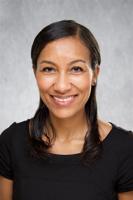
Nkanyezi Ngwenyama Ferguson, MD, FAAD

Marta Jane Van Beek, MD, MPH, FAAD
SPEAKER DISCLOSURES
Nkanyezi Ngwenyama Ferguson, MD, FAAD
No financial relationships exist with ineligible companies.
Marta Jane Van Beek, MD, MPH, FAAD
No financial relationships exist with ineligible companies.